
Event dramaturgy is the art of shaping a production’s narrative structure. An event dramaturg plays a vital role in collaborating with technical departments like lights, cameras, sound, stage design, and all essential elements of an event production. They work closely with the creative team to ensure that the technical aspects of the production are aligned with the artistic vision and narrative of the performance.
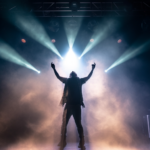
For example, the event dramaturg may work with the lighting department to develop a lighting design that enhances the mood, tone, and emotional impact of specific scenes or moments in the production. They may also collaborate with the sound department to ensure that the music and sound effects are synchronized with the action on stage, creating a seamless and immersive experience for the audience.
The primary responsibility of an event dramaturg is to analyze and interpret the script or concept of a production, identifying themes, characters, and plotlines that will help to create a compelling narrative. They work collaboratively with the creative team to explore different approaches to the material and to make sure that the production is both artistically meaningful and commercially viable.
In addition to script analysis and development, an event dramaturg is also responsible for researching historical and cultural context, as well as relevant current events, that may impact the production. They help to ensure that the production is authentic and accurate, while also providing insights that may enhance the artistic impact of the work.
Throughout the development and rehearsal process, an event dramaturg works closely with the creative team, providing feedback and guidance to help ensure that the production meets its artistic and commercial goals. They may also work with marketing and publicity teams to help promote the production and generate interest among potential audiences.
Similarly, the event dramaturg may work with the stage design department to create a set that supports the narrative of the production. They may provide input on the placement of props, the use of color and texture, and the overall aesthetic of the production, helping to create an environment that feels cohesive and consistent with the story being told.
The event dramaturg may also work with the camera department in the case of filmed events, helping to ensure that the camera work captures the essence of the performance and amplifies the storytelling. This may involve collaborating with the cinematographer on framing, camera movement, and composition to emphasize the dramatic elements of the performance.
Overall, the event dramaturg serves as a bridge between the creative team and the technical departments, helping to ensure that all aspects of the production are working together to create a cohesive and engaging experience for the audience. They bring a deep understanding of dramatic structure, storytelling, and cultural context to their work, helping to guide the technical departments in creating a production that is both artistically meaningful and technically proficient.
Event Dramaturgy: The Key to a Cohesive Production
Event dramaturgy is not a new discipline — its roots reach deep into theatre tradition — but its application in live events, corporate productions, and media has expanded dramatically. At its core, event dramaturgy means applying the principles of dramatic structure to any live or recorded production. A skilled event dramaturg ensures that every element of a show, from the opening image to the final curtain call, serves the story being told.
The value of event dramaturgy becomes especially clear in complex multi-disciplinary productions: concerts with theatrical elements, corporate galas with keynote speakers, or award ceremonies that blend entertainment with brand messaging. In each case, the dramaturg brings a clear through-line — a narrative arc that makes the whole feel greater than the sum of its parts.
How Event Dramaturgy Shapes Audience Experience
Audiences rarely notice good event dramaturgy — and that is precisely the point. When the pacing is right, when transitions between segments feel natural, when the emotional high points land exactly where they should, the audience experiences a seamless event. They leave feeling moved, entertained, or inspired. This invisible architecture is what event dramaturgy provides.
Practical tools of event dramaturgy include the dramatic arc (exposition, rising action, climax, resolution), contrast (alternating intensity, tone, and energy between segments), leitmotifs (recurring visual or musical themes that create coherence), and pacing (calibrating the tempo so audiences stay engaged throughout). These tools apply whether the event lasts 45 minutes or four hours.
CINEWOLF brings more than 20 years of experience in applying event dramaturgy to productions across theatre, film, corporate media, and live events. Learn more about our expertise or contact us to discuss how event dramaturgy can elevate your next production.
Event Dramaturgy in the Digital Age
As hybrid and fully digital events have become standard, event dramaturgy has adapted. The principles remain the same, but the tools have expanded. Camera framing, editing rhythm, and platform-specific pacing all become part of the dramaturg’s toolkit. Understanding how a live audience differs from a remote viewer is essential to crafting an event that works across both contexts.
For those interested in exploring the theory behind event dramaturgy further, the Literary Managers and Dramaturgs of the Americas (LMDA) is a leading professional network offering resources and training for practising dramaturgs. Whether you are a producer, director, or event designer, a working knowledge of event dramaturgy will significantly improve the quality and impact of your productions.